Shared movement access
Movement tools can sit within shared areas where staff are able to bring them into the day when useful.
MEEKA Projects
There is no single way to bring MEEKA into a school. Across classrooms, learning support spaces, movement areas and quieter corners, our tools are taking shape differently depending on the setting and what educators are noticing within the school day.
Where it began · Radford College
The Engine Room at Radford College was MEEKA's first major school project and an important beginning for how we came to think about tools within a whole education setting.
The original K–3 space brought movement, tactile and body based opportunities together within a setting created around the school day. It was not about filling a room with sensory products. The project asked a more useful question: what should this space make possible for students and educators?
As the school continued to explore the approach, the project later extended into the Years 4–6 setting. For MEEKA, it became a benchmark — not a room to copy, but a starting point for everything we kept learning afterwards.
How the thinking took shape
Start with the setting, the students and what staff are noticing.
Consider how movement, quieter moments and different forms of input may need to fit.
Select practical MEEKA tools that offer different ways to move, feel and engage.
Notice how the space is used and allow the setting to continue evolving.
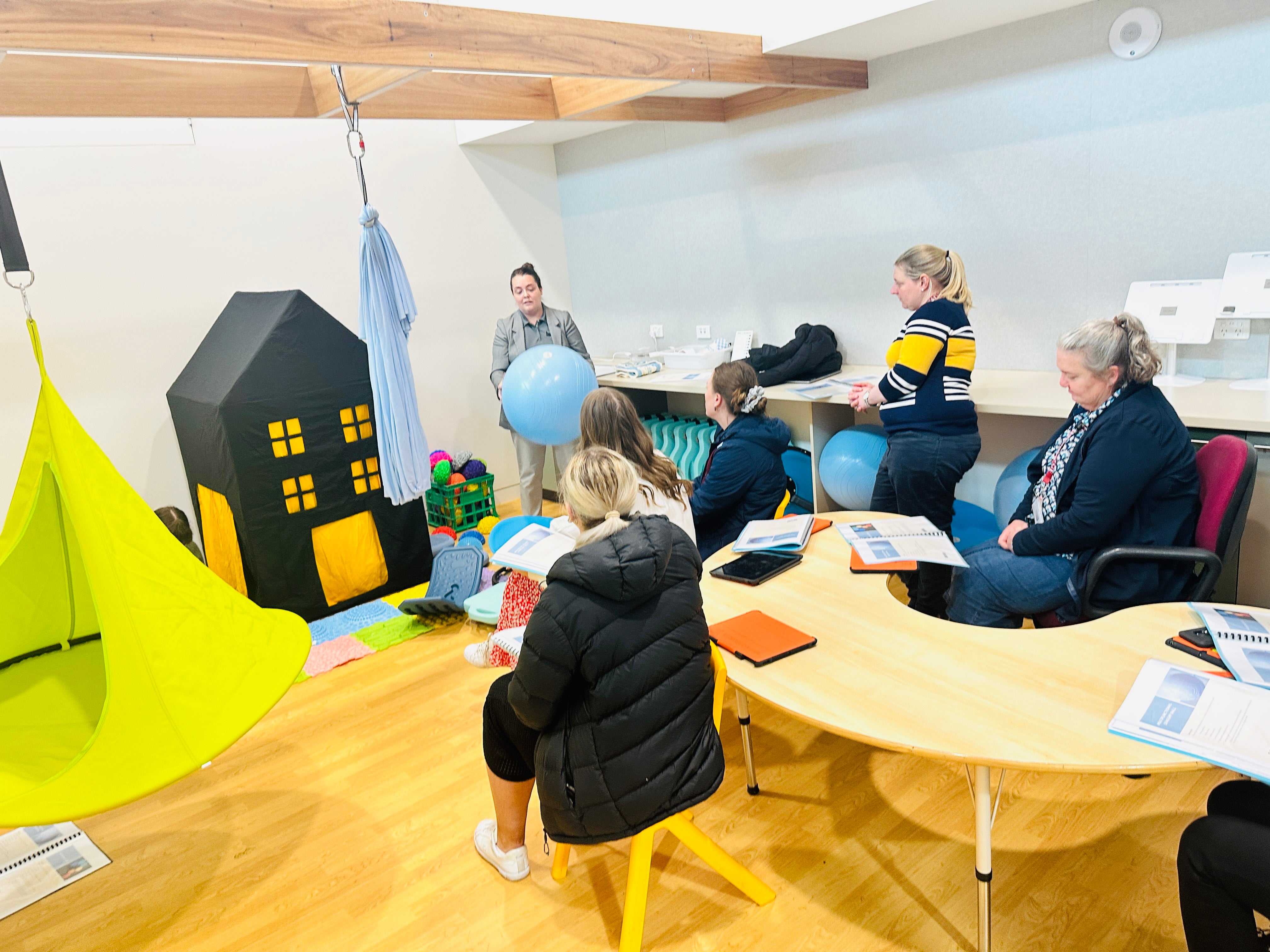
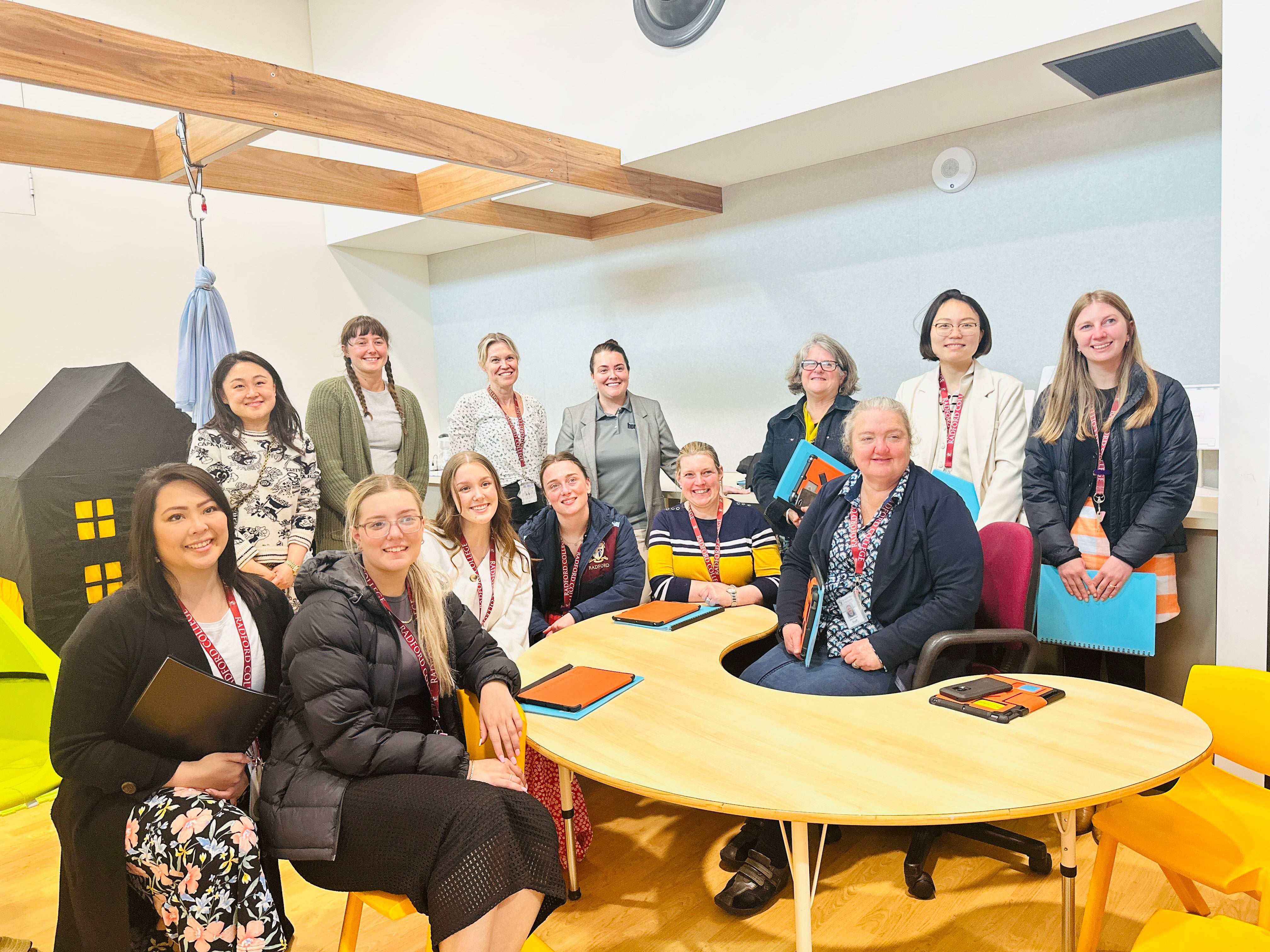
Inside the Engine Room
Exploring the tools, noticing the space and continuing the conversation with the educators who would see the room in use.
The room was the beginning. What we kept learning came afterwards.
From Radford College
MEEKA World has collaborated with our Junior School to provide insightful advice and quality resources for both staff and paraprofessionals to support the individual needs of our students. We look forward to an ongoing partnership and working alongside Priscilla and her team in the future.
What came next
The schools we have worked with since Radford have not all needed an Engine Room. In another Junior School setting, the starting point was almost the opposite.
Rather than bringing everything into one central space, MEEKA tools were introduced across different parts of the school. Movement opportunities sat within shared areas. Smaller support spaces were considered closer to classrooms. Selected tools were also placed within quieter rooms where one to one conversations already happened.
The project reminded us that access can shape how a tool fits into the school day just as much as the room itself.
One project · distributed across the school day
Movement tools can sit within shared areas where staff are able to bring them into the day when useful.
Different rooms can hold a smaller mix of tools rather than asking one central space to do everything.
Positioning support nearer to where students and educators already are can make access feel more natural within the day.
Selected movement tools may also sit within quieter rooms where conversations and individual support already happen.
The setting changes the context
A MEEKA tool does not arrive with one fixed place in the school day. Where it sits, how easy it is to reach and what is happening around it can all change how the tool becomes part of the setting.
In a movement space
The Happy Chair may sit within a space where larger, child led movement is already part of the room.
MEEKA Happy Chair
Same tool
In a quieter office
In another setting, the same chair may offer a place for slower movement while a one to one conversation continues.
In a shared support area
A Jumping Board may stay accessible within a shared space where controlled jumping can have a clear place to happen.
Indoor Jumping Board
Same tool
Closer to the classroom
Positioned nearby, the same compact board may fit into shorter movement moments without needing a dedicated room.
Within a classroom
The PLAYhouse can create a little separation while the child remains connected to the classroom around them.
MEEKA PLAYhouse
Same tool
In a separate support space
In a larger support space, the PLAYhouse may sit alongside movement, tactile and pressure options within the same room.
The tool may stay the same. The setting around it can completely change the role it plays within the school day.
Place matters.What the projects keep teaching us
Working alongside schools has made the MEEKA approach clearer. Not because every project looks the same, but because the differences keep showing us what matters.
A classroom, shared support area and dedicated movement space do not need the same mix of tools. The room and the school day matter.
Where a tool is placed can shape how naturally it becomes part of the day. Useful support should not always require a long journey to another room.
Filling a space does not automatically make it more useful. A smaller number of considered tools can be easier for educators to understand, place and revisit.
The first setup does not need to be the final answer. How students and educators use a space can help shape what moves, changes or comes next.
A project is not a room handed over and forgotten. The most useful learning often begins once the school starts living with the space.
Notice · use · learn · adjust